

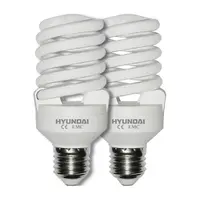
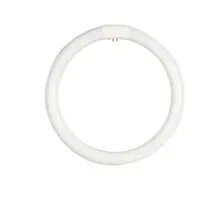
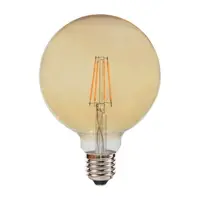
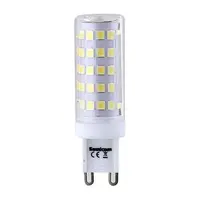
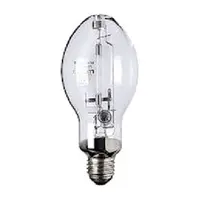
Bulbs
Affordable Home Light Bulbs - Variety of Types and Bases
A bulb burned out in the living room. It happens. And then the chaos begins - what type is it anyway? Thick base? Thin? Suddenly everyone becomes an electrical engineer. Honestly, if you're asking where to buy light bulbs in Israel in 2026 without breaking the bank, the answer is quite clear. Buy in multi-packs. Buying bulbs individually at the supermarket is simply a mistake, crazy expensive.
I was recently looking for special price light bulbs online because I replaced all the lighting in my house with LED technology (energy-saving, and the air conditioner is already tearing us apart in the summer with the bills). I did a price comparison of bulbs and discovered that buying light bulbs online in Israel is a bit of a tricky business. Sometimes they sell you junk. But when you find a place that sells official importers like Philips, Nichia, or Osram - everything is good. Here at TopMarket, we understood the deal. So we brought you recommended bulbs that will last, and won't burn out after a month.
Warm Light, Cool Light, and Everything In Between
Israelis are divided into two, no middle ground. Those who like their living room to look like an operating room (white/cool light 6000K) and those who prefer a cozy cave atmosphere (warm light 3000K). Me personally? Only natural light (4000K). Solves all the problems. How much do such bulbs cost? Depends. But the best bulbs to buy are based on what's pleasing to your eye, not just the price tag.
By the way - filament bulbs are stunning for design, but energy-saving LED lighting is what will lower your electricity bill. Absolutely.
Lumens vs. Watts - Just Look at the Table
We used to know what 60 watts meant and that was it. Today they talk to us in lumens (brightness). It's incredibly confusing. Here's a quick translation so you know how to buy bulbs online without guessing:
| Your Old Bulb (Watts) | How Many Lumens Should You Look for in LED |
|---|---|
| 40W | Around 400 - 450 Lumens |
| 60W | Around 800 Lumens |
| 75W | Around 1000 - 1100 Lumens |
| 100W | 1500+ Lumens |
And the bases?
E27 Base - Standard base. The thick one. Usually for ceiling lights.
E14 Base - Small base. Chandeliers, slim bedside lamps.
GU10 - Spots (the ones you push and twist to click).
To make it easy for you, we've put pictures of the bases in our filters. Thick or thin. No annoying numbers.
Economical Multi-Packs and Smart Bulbs
Buying single bulbs with home delivery doesn't make sense. Truly cheap bulbs come when you buy multi-packs of 3, 5, or tens. Keep them in the closet. Bulb burns out? Replace it instantly and don't run to the corner store to pay double. And there are also smart WiFi bulbs for those who like to play with dimming via their phone. We have plenty of those.
Questions and Answers Before You Buy
1. What light color (warm or cool) is suitable for the living room and kitchen?
For the kitchen, natural light (4000K) or cool light (6000K) is usually preferred because you need to see what you're cutting clearly. In the living room? The vast majority of Israelis prefer warm light (3000K) that creates a relaxed and homey atmosphere. But there are no real rules, put what feels right to you.
2. What is the difference between an E27 and an E14 base?
The simplest thing in the world: E27 is the thick, standard base we've all known since childhood. E14 is the thin, 'small' base, usually found in chandeliers or small bedside lamps. Just look at the width of the lamp socket.
3. How to choose the brightness (lumens) for a room?
A standard bedroom needs about 1500-2000 lumens in total. An average living room? Around 3000-4000 lumens. You can divide it - say, put 4 spot bulbs of 800 lumens each to get good lighting. You don't need to do complicated math, just check how many watts you had before and convert according to the table above.
4. Is it more worthwhile to buy a multi-pack of bulbs?
Yes. Absolutely. The price of bulbs drops significantly when you buy in a pack of 3 or 5 units. Plus, you spread out the shipping cost. Bulbs are consumables (perishable products), they always burn out eventually, so it's better to have a spare at home than to be stuck in the dark on Shabbat.
5. Do you have smart bulbs?
Sure. We have a variety of smart bulbs that connect to WiFi. You can control them from your smartphone, change colors, dim them (Dimmable) without changing the switch on the wall. These are usually brands like Philips Hue or Xiaomi, all from an official importer so you get normal software updates and they don't disconnect every couple of days.