

 Install the app
Gaming Headsets with Microphone - How to Choose the Right One
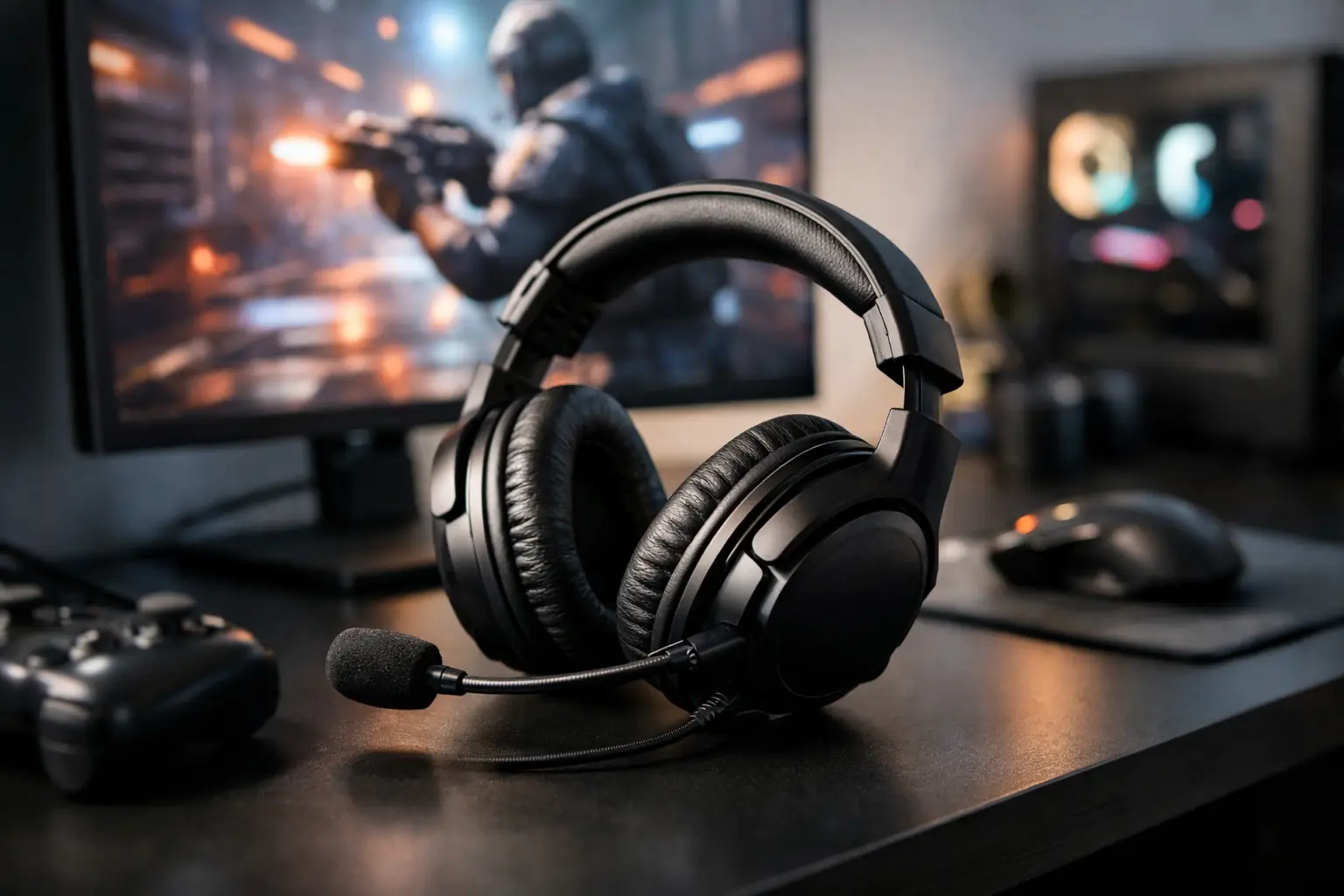
If you’ve already invested in a gaming computer, a fast monitor, and an accurate mouse, gaming headphones with a microphone are not just an accessory—they are a crucial part of your gaming experience. They determine how well you hear footsteps, gunshots, and other small details, as well as how clearly your friends can hear you on Discord, in group chats, or during competitive play.
The market is filled with models that look similar on the shelf, but the differences in performance are significant. There are disparities in microphone quality, comfort after a couple of hours, type of connection, compatibility with consoles and PCs, and even in the sound characteristics themselves. The right choice begins not just with the brand name but with your actual usage.
Gaming Headphones with Microphone - What to Check
First, determine whether you need headphones for competitive gaming, single-player games, a combination of music and movies, or for work and study alongside gaming. Players who primarily enjoy FPS games usually seek excellent sound separation and precise localization. Those who prefer cinematic games want rich sound with a strong bass and a more immersive experience.
The microphone is just as important as the drivers. Some models may deliver excellent sound, but the microphone can be muffled, weak, or pick up background noise from the keyboard and fan. If you play in a team, talk a lot, or even stream occasionally, it’s worth checking for noise cancellation, an adjustable boom arm, and stable voice quality over time.
Comfort is another critical factor. Impressive specs won’t help if you start feeling pressure on your head or warmth in your ears after an hour. Ear cushions, weight of the headphones, headband size, and finish materials significantly impact comfort, especially for those playing long sessions or working with the same set during the day.
Wired or Wireless Connection
This is one of the main dilemmas, and there isn’t a one-size-fits-all answer. Wired headphones remain a strong choice for those wanting a simple, stable connection without the hassles of charging or battery dependence. They often offer better value for money, especially at entry-level and mid-range prices.
Wireless headphones are suitable for those who prefer a cleaner workspace and freedom of movement. This is especially convenient if you switch between a computer, console, and work desk, or simply don’t want a cable getting in the way while gaming. However, it's essential to check battery life, charging time, range, and whether you can use them while charging. In some models, wireless latency is almost imperceptible, but it’s still a point to consider if you’re playing competitively.
USB, 3.5mm jack, or wireless dongle connections also affect compatibility. If you want flexibility between your PC, PlayStation, Xbox, Nintendo Switch, or phone, make sure upfront that the model suits your platforms rather than assuming that all headphones work the same with every system.
Sound Quality - It's Not Just About Volume
Many buyers look at specs first, but in gaming, numbers alone tell only part of the story. Larger drivers do not always guarantee better results, and virtual surround sound isn’t always superior to accurate stereo. In practice, directionality, frequency balance, and positional accuracy are often more important than broad marketing claims.
For competitive gaming, clear and focused sound is generally preferable to overly heavy bass. Strong bass can be impressive during explosions, but it might obscure small details like footsteps or reloading. For open-world games, racing, or movies, some might prefer a richer, more prominent sound signature.
If you’re looking for headphones for dual use—both gaming and music—it’s wise to choose a relatively balanced model. Many gaming headphones are tuned to enhance effects, which is nice for gaming but less ideal for prolonged music listening.
Microphone Quality - Where Many Models Fall Short
A good microphone should transmit clear voice audio without needing you to shout and without your team hearing every keystroke. This is where the difference between a basic model and a higher-quality one becomes evident. Many low-cost headphones deliver average sound, but their microphones can be weak, metallic, or overly sensitive to background noise.
If your usage involves continuous communication, look for a microphone with noise cancellation, a flexible boom, quick mute options, and accessible volume controls. These features might seem small, but they significantly enhance daily use experiences. If you work from home and also game in the evening, a good microphone is particularly beneficial since the same product serves two different needs.
In some models, you can detach the microphone, which is an advantage if you want to use the headphones outside or while watching content. However, built-in and smaller microphones usually won’t provide the same level of audio quality as dedicated boom options.
Comfort, Materials, and Durability
Gaming headphones with a microphone are typically purchased for months or years, not just for a week. Therefore, it’s essential to pay attention not only to performance but also to build quality. Metal headbands tend to last longer than simple plastic, though they can add weight. Fabric ear cushions are often more breathable, while faux leather offers better isolation but may get warm at times.
Those who wear glasses should pay particular attention to side pressure. Some models seem comfortable on paper, but can actually press against the frames after half an hour. Weight also matters. A difference of a few dozen grams might not seem dramatic, but in prolonged use, it can be very noticeable.
The cable, if it’s a wired model, should be of appropriate length and with a quality connector. A cable that’s too short is restrictive, and one that’s too thick can be awkward on a cluttered desk. In wireless models, the quality of hinges, charging, and materials is just as critical.
How to Choose Based on Budget
At a basic price level, you can find good models for casual gamers, especially if the expectation is for basic communication and decent sound without advanced requirements. Here, it’s crucial not to get swayed by flashy marketing specs but to focus on comfort, reliable connectivity, and a reasonable microphone.
In the mid-range, the real value usually starts. You’ll find a better combination of sound, microphone quality, materials, and comfort there. This is generally the most cost-effective range for most users, as you’re not just paying for a brand name or RGB lighting but for a noticeable improvement in everyday use.
At the high end, you enter models with better wireless capabilities, stronger batteries, detailed sound, control apps, and advanced features. This suits those who game extensively, want a central product for their setup, or need headphones that also serve work, communication, and entertainment needs. You don’t always have to reach this range, but those who spend long hours with headphones will feel the difference.
Compatibility with Your Platform
Not all headphones behave the same on every system. On a PC, there are usually more control options, dedicated software, and sound settings. On consoles, however, it’s important to ensure straightforward compatibility. Some models work perfectly with USB on a PC, but some of their functions may not be available on a console. There are also wireless headphones that work well with PlayStation but not with Xbox without a dedicated adapter.
If you're buying headphones for a household using multiple platforms, it’s better to opt for a multi-purpose model rather than the strongest one in just one category. This might not be the perfect solution for every scenario, but it’s more flexible.
What Not to Buy Just for the Hype
RGB lighting, impressive packaging, and promises of “epic” sound don’t necessarily make headphones better. Some models look great in pictures but have mediocre microphones, uncomfortable grips, or cumbersome accompanying software. Even flashy names like 7.1 surround do not guarantee a real advantage in every game.
It’s better to favor clear specs, a reputable brand, proper warranty, and data that align with your intended use. For Israeli buyers looking for availability, competitive pricing, and the ability to compare different performance levels, the right approach is to consider a mix of specifications, practical use, and value for money—not just aesthetics.
Gaming Headphones with Microphone for Different Users
Competitive players prioritize accuracy, clear microphones, and high comfort. Home users who also want music, movies, and video calls might prefer a broader balance. Teenagers and students often seek solutions that provide maximum performance within a limited budget, while older users or those working from home might look for reliability, warranty, and long-term comfort.
This is also why there isn’t a single “best model” universally. There’s the right model for your budget, platform, and type of use. On a site with a wide selection like TopMarket, the advantage is the ability to compare brands, price ranges, and specifications without needing to visit more than one store.
When chosen correctly, headphones not only enhance sound—they improve the entire user experience. If you’re purchasing now, look for a model that provides clear sound, a reliable microphone, and comfort that won’t make you want to take them off after a long gaming session.
- Smart Homes That Truly Fit Your Home and Budge
- <h1>Case Study: An Office Computer Upgrade That Saved Time and Money</h1>
- Recommended Gaming Mice for Large Hands: How to Choose the Right One
- When to Repair or Replace Your Computer Monitor: A Repair Shop’s Guide
- Video Editing Computer Buying Guide by Budge