
How to Choose a Quality Gaming Chair Without Making Mistakes
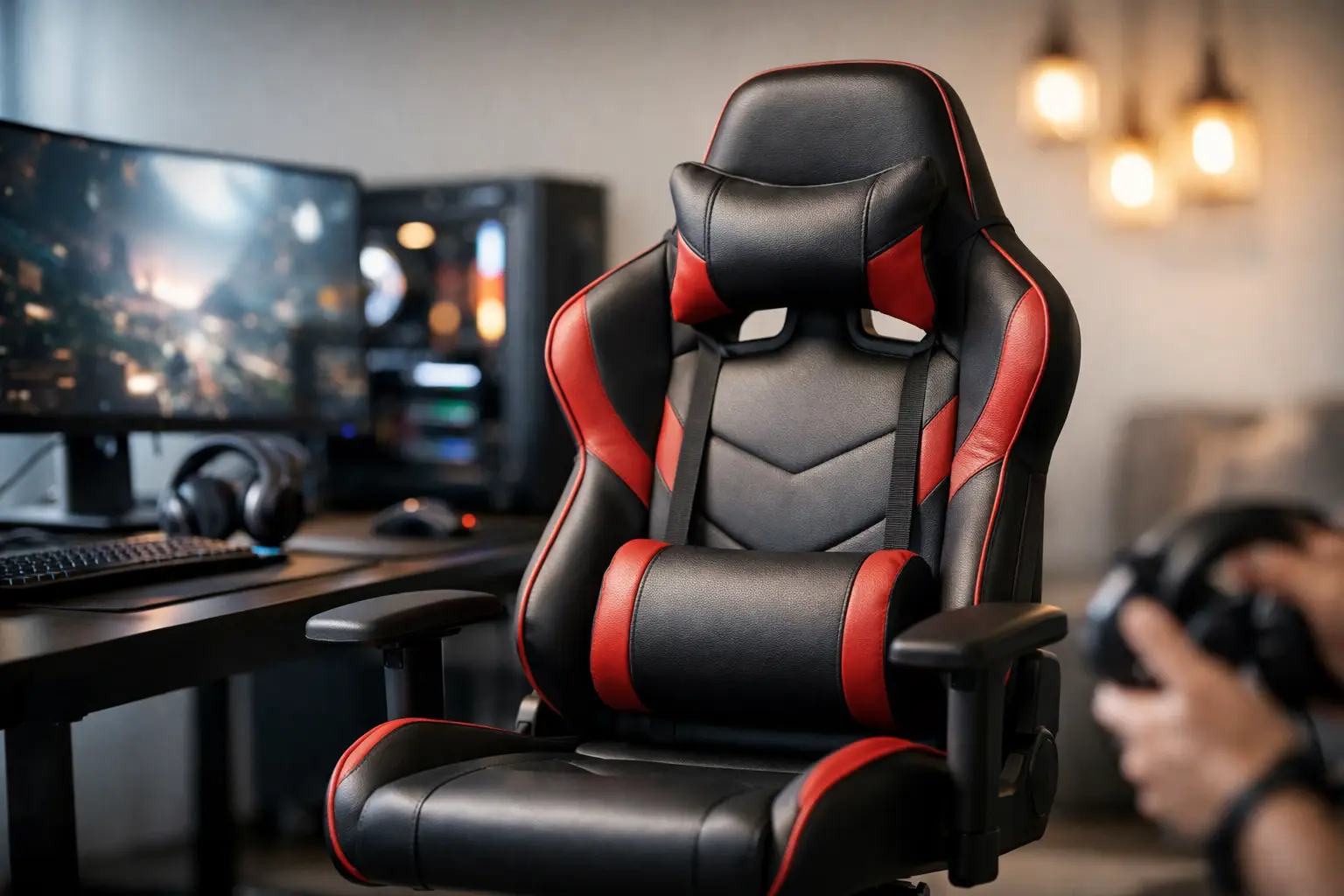
If you spend two hours a day in front of the screen, almost any chair will feel decent. However, if you're sitting for six, eight, or more hours—be it for work, gaming, studying, or a combination of all—selecting a quality gaming chair shifts from a question of comfort to ensuring proper use over time. A chair that looks impressive in a picture may turn out to be too rigid, too small, or simply not suited to your body type.
The most common mistake is purchasing based solely on appearance. A high back, bold stitching, and aggressive colors say little about the quality of the seating. What truly matters is the combination of tilt mechanism, lumbar support, size adjustments, foam quality, type of upholstery, and the durability of the base and wheels. By carefully examining these details, it's much easier to understand what you're paying for and where compromises shouldn't be made.
How to Choose a Quality Gaming Chair Based on Actual Use
Before looking at specifications, you need to define the intended use. Someone who plays for an hour or two in the evening doesn't necessarily need the same chair as a streamer, a remote worker, or a student sitting all day. The longer the sitting duration, the greater the importance of ergonomics, adjustability, and proper support.
The type of sitting also matters. Some sit upright most of the time, while others switch positions, lean back, and watch content between games. If you enjoy altering angles, a chair with a quality tilt mechanism and adjustable armrests will provide more value than a basic-looking chair. If it's also a workspace, consider not just gaming but also hours spent on the keyboard, mouse, and video calls.
Measurements Matter More than Design
One of the most overlooked details in purchasing is physical compatibility. A quality gaming chair must fit the user's height and weight but is equally important to match shoulder width, thigh length, and desk height. A seat that's too wide can cause instability, while a seat that's too narrow will create pressure at the sides, making long sitting sessions tiring.
Pay special attention to the seat width, seat depth, and backrest height. If the backrest is too high or low relative to your back and neck, the headrest won't sit in the right place. The same goes for lumbar support; it should support the lower back and not push the body forward unnaturally.
If you're of average height, most standard models will fit. However, if you're particularly tall, heavy, or conversely, have a slender build, it’s worth checking models designed for specific size ranges. This is not a marketing gimmick; it’s a fitting that directly affects comfort, durability, and safety.
What Really Matters in Construction and Mechanism
Many chairs may look nearly identical, but the difference lies beneath the upholstery. The frame, gas lift mechanism, chair base, and tilt system dictate how long the chair will last and how it will feel after months of use.
A quality gas lift will provide smooth height adjustment and a feeling of stability. A metal base is generally more durable than a plastic one in heavier models or intense use, although there are also very good reinforced plastic bases. Quality wheels will roll more smoothly and wear less over time, especially if the chair is often moved on a hard surface.
The tilt mechanism is one of the biggest differences between a basic model and a good one. It's not enough for the chair to "lean back." Check if it has locks at different angles, if the resistance is adjustable, and whether the movement feels stable or loose. For a chair used for both work and gaming, a quality mechanism is worth more than just an aesthetic element.
Upholstery, Foam, and Coating—Where You Feel the Difference
In a short sitting, almost any upholstery feels pleasant. After a few hours, true quality is revealed. Foam that's too dense will feel hard, while foam that's too soft will lose support quickly. The goal is to strike a balance between immediate comfort and maintaining shape and support over time.
The type of coating also matters. Faux leather gives a classic gaming look and is relatively easy to clean, but in a warm room, it may be less comfortable for extended sitting. Fabric or mesh can feel more breathable but require different maintenance regarding cleaning and wear. There’s no one-size-fits-all answer—it depends on room temperature, sitting duration, and how important easy maintenance is to you.
If the chair is intended for a child's room or for a teenager who spends many hours in front of the computer, easy cleaning is a clear advantage. In contrast, for very long daily use, thermal comfort might matter more than appearance. Therefore, consider the material not just by the picture but according to the expected use.
Armrests and Back Support—Not an Add-On, But Essential
Many buyers focus on the headrest and ignore the armrests. In reality, good armrests can significantly improve shoulder and arm posture. When armrests are too high or too low, the shoulders strain, which quickly becomes noticeable during gaming, typing, and long mouse use.
Look for at least height adjustment. More advanced models offer inward and outward adjustment, forward and backward, or angle adjustment. If you play competitively, work long hours on a keyboard, or simply want a more precise fit for your seating position, this provides a real advantage.
Lumbar support should also be practical. A removable cushion can suit those who like to change positions, but a built-in support system typically feels more precise in quality models. If the support can't be adjusted, keep in mind it might fit one person well but not another.
How to Compare Specifications Without Falling for Marketing
When comparing chairs, it's easy to be impressed by terms like ergonomic, professional, or premium. These are not data points. What you should check are clear parameters: recommended height range, maximum weight capacity, type of upholstery, mechanism type, adjustment levels, base material, and warranty period.
Also, pay attention to what's not written. If there are no details about the type of cylinder, tilt mechanism, or frame materials, it doesn't necessarily mean the chair isn’t good, but it does make it harder to assess value. In models where the specification is detailed, it's usually easier to understand where the real value lies.
A very low price can be great for light use, but in most cases, it will come with compromises in adjustability, support level, or durability. Conversely, the highest price doesn’t guarantee a good fit. If the measurements are wrong or the structure doesn’t suit your seating style, even an expensive chair won't deliver a good result.
The Right Budget Is Not Always the Cheapest
One of the best ways to make a smart choice is to calculate cost based on duration of use. If the chair is intended for daily use over the years, it can sometimes be worth stepping up one level in specifications to gain a better mechanism, more precise support, and a broader warranty. Conversely, if it’s for a secondary room or casual use, there’s no reason to pay for features you won’t utilize.
In a wise purchase, balance is key. Not looking for the flashiest model, but rather the one that offers the right combination of comfort, durability, and specifications for the price. At a retailer with a large selection, like TopMarket, it’s easier to compare different levels of chairs, understand the offerings in each price range, and choose based on data rather than just images.
Questions to Ask Before Buying
Before adding to your cart, take a moment to pause. Does the chair fit your height and weight, not just "in general"? Are there enough adjustments in the armrests, height, and tilt angle? Is the material suitable for the room where the chair will be placed? And does the warranty period reflect real confidence in the product?
If you’re buying for a teenager or child, try to think a year ahead, not just for their current size. If you’re purchasing for a workstation as well, ensure that the chair fits the desk, screen, and current seating height. A good chair is part of a complete system, not just a standalone item.
How to Choose a Quality Gaming Chair Without Regret After a Week
The right choice doesn’t start with design or end with price. It begins with a true fit for the body, continues with specifications that endure daily use, and is evaluated in the finer details—mechanism, upholstery, adjustability, and warranty. By systematically checking these aspects, it's much easier to identify whether a chair is intended to impress on a product page or is meant to serve you well over time.
If you’re torn between two similar models, choose the one with clearer specifications and a better fit for you. A good gaming chair shouldn’t just look right in your room; it should feel right every single day.
- Setting Up a Dual Workstation for Efficient and Comfortable Work
- How to Choose a Mechanical Keyboard for Work, Gaming, and Typing
- What Charger is Right for Your Phone? Here's How to Choose Wisely
- Guide to Buying a Security Camera for Home, Business, and Outdoor Use
- Tablet Repair Lab - When to Repair and When to Replace?
- 5 Akhad Ha'am St., Netanya, Israel

- Phone: +97298821001
- Sunday - Thursday: 11:00 - 24:00
Friday: 11:00 - 16:00
Saturday and holiday: 20:00 - 24:00 - Contact us form

© 2002 - 2026 TopMarket.co.il - Powered by AnyWeb.co.il